
100% Plastic-Free.
Zero Exceptions.
Others stop at "BPA-free."
We eliminated plastic entirely.


100% Plastic-Free Water Path
We engineered the entire water path from stainless steel and glass. Nothing else makes contact.
Engineered to Never Degrade
Our materials don't break down with heat or time. Your thousandth boil is as pure as your first.
Tested. Verified. Published.
Every claim we make is backed by independent lab results. Full transparency. Nothing hidden.
 Go Plastic-Free
The Water Path.
100% Plastic-Free.
Many kettles claim to be "stainless steel" or "BPA-free." But plastic often hides in components that contact your water; gauges, filters, interior linings.
We took a different approach. Every surface your water travels through is stainless steel or borosilicate glass.
That's what 100% plastic-free means to us. The water path. Where it matters most.
Why Plastic-Free
Matters
Research has found microplastics in blood, lungs, and tissue. A single plastic kettle can release millions of particles per boil. The science is clear. The solution is simple: remove plastic from the water path entirely.
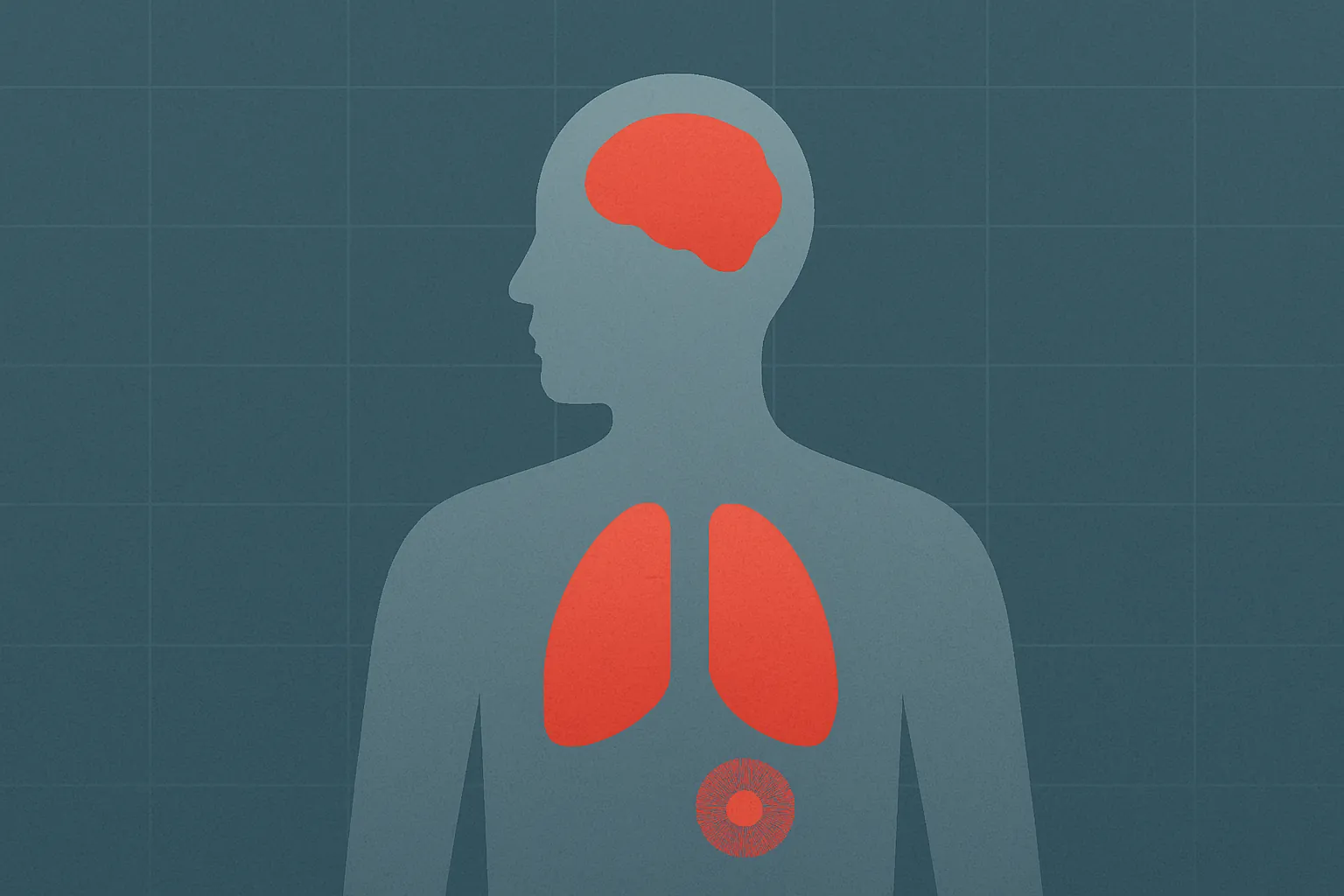
Closer Than You Think
Microplastics have been detected in blood, lungs, and brain tissue. Once inside the body, they can cause inflammation and accumulate over time.
These particles don't come from distant sources. They come from everyday items, including what we use to boil water.
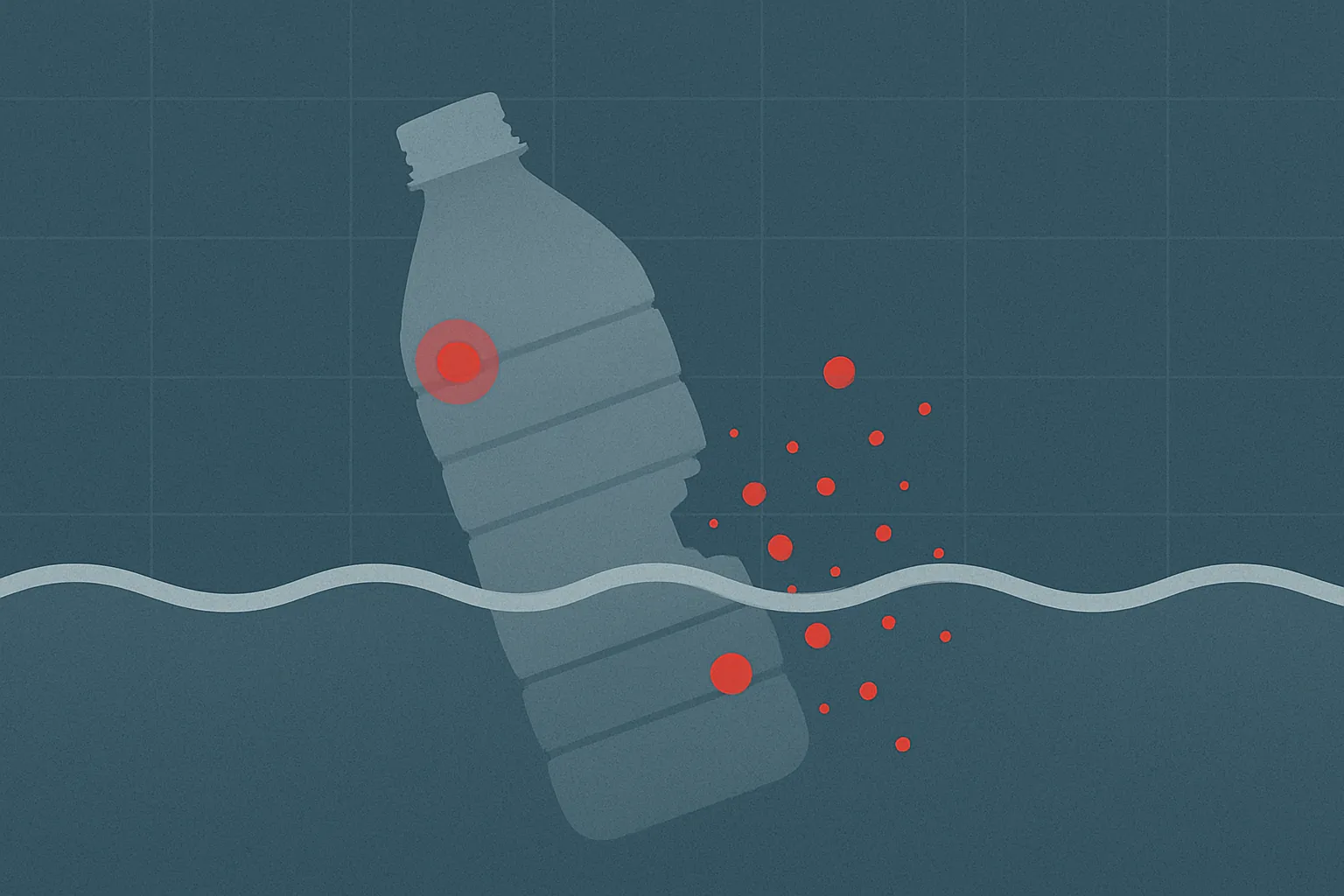
Heat Breaks Plastic Down
Boiling water accelerates plastic degradation. Heat weakens the material, causing it to release microscopic particles into your water.
Over time, repeated exposure to high temperatures breaks plastic down further. Each boil releases more than the last.
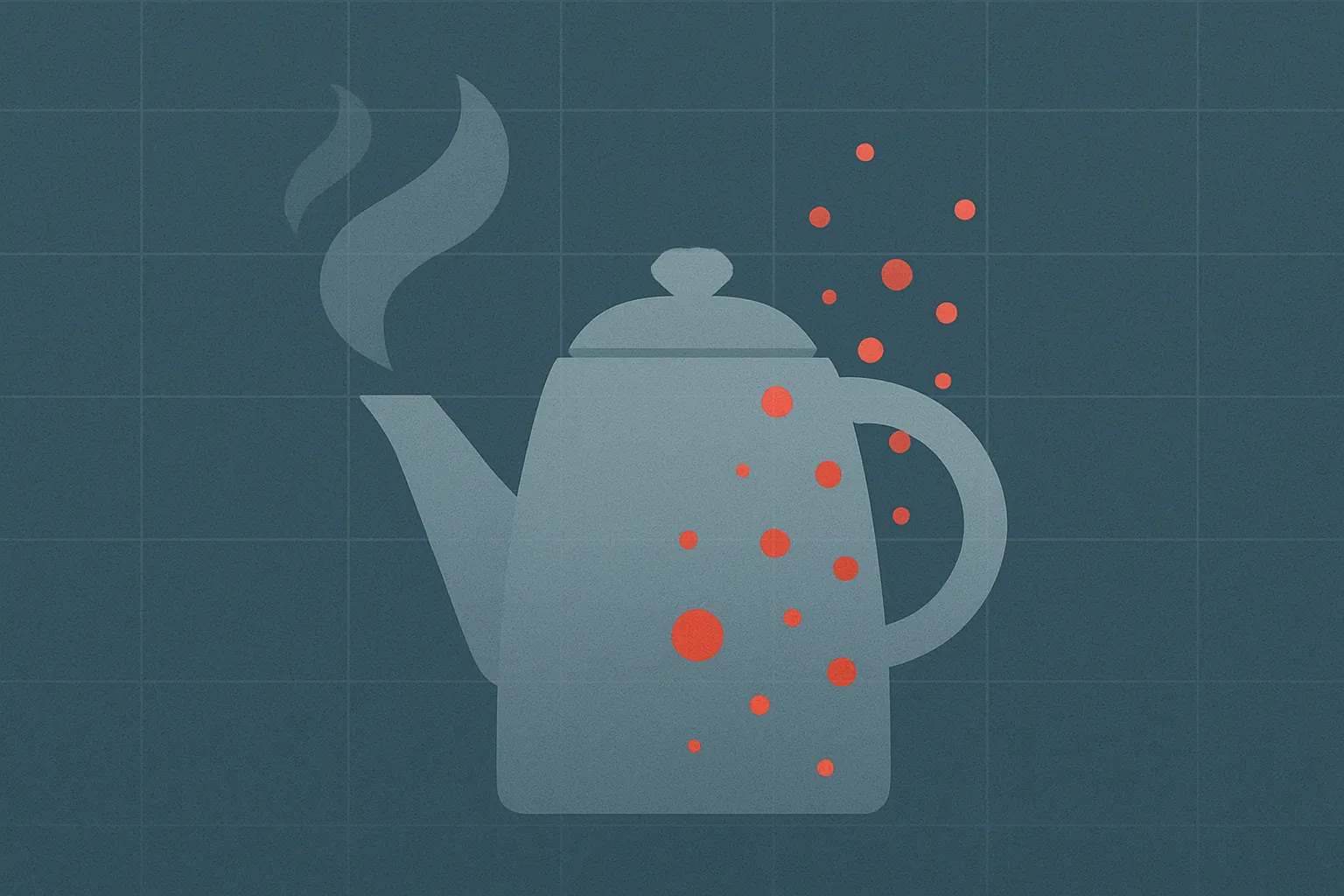
New Kettles Shed the Most
In the first few uses, plastic kettles experience what researchers call the "burst release phase." Heat and friction trigger the highest concentration of particle release.
A single boil in a new plastic kettle can shed millions of microscopic particles, more than at any other point in its lifespan.

What Touches Water, Touches You
That's why we obsessed over every material, every seal, every surface. If it touches water, plastic wasn't an option.
The Interior
Stainless steel interior. No plastic lining. No coatings. Just pure, food-grade 304 steel from the first drop to the last.
The Spout
Stainless steel mesh. No plastic frame. No hidden polymers. Filters impurities, not add to them.
The Filter
Stainless steel throughout. The final point of contact is as pure as the first. What pours is what you deserve.
Did You Know?

The average person consumes 5 grams of plastic per week, roughly the weight of a credit card.

A single scratched plastic kettle can release up to 9 million microplastic particles per liter of boiled water.
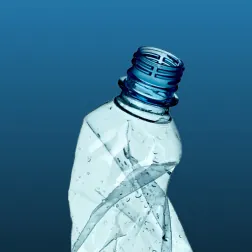
Microplastics have been found in 90% of bottled water brands and 83% of tap water samples worldwide.
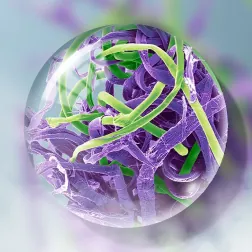
Scientists found plastic fragments in the lungs, bloodstream, and brain tissue, revealing their deep penetration into the human body.
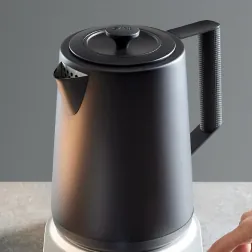
Boiling water in plastic-free kettles can reduce microplastic exposure by up to 99%, according to recent material science studies.
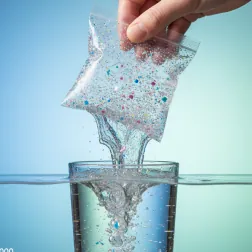
Microplastics are in our food and water. Annually, we ingest about 1,000 particles—equal to eating a bag of sugar!
Tested. Verified.
Trusted.
We’ve partnered with Light Labs to verify that Saki
products are free from BPA,
phthalates, and
microplastic release even under boiling heat. Because when it comes to
what you drink, purity
should be tested, not trusted.
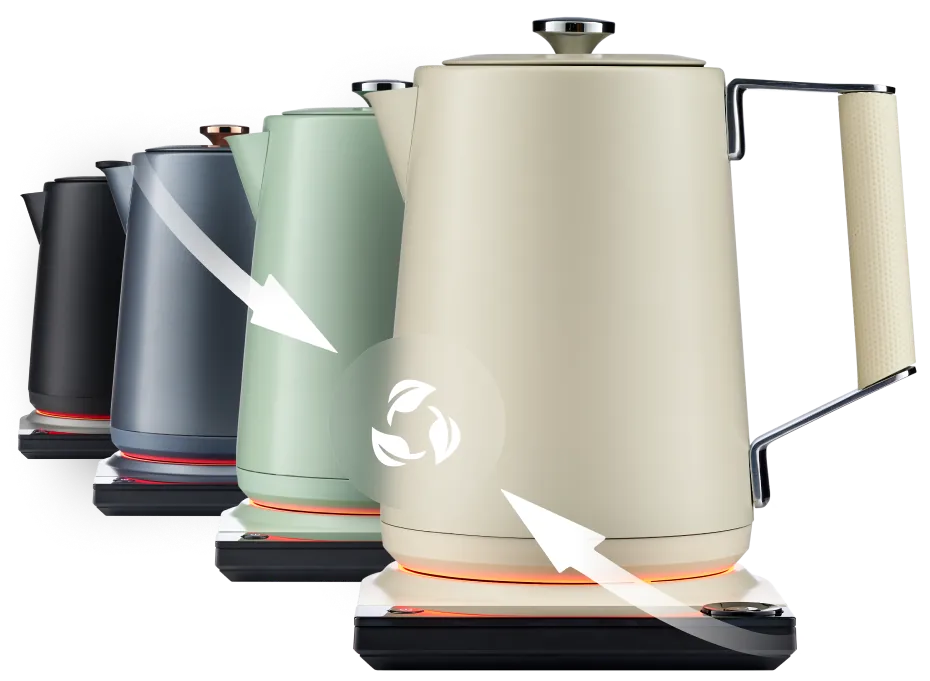
Keep Plastic Out of Your Water! 100% Stainless Steel Kettle
Did you know that your boiling water comes into contact with plastic surfaces when preparing your hot drinks? Enjoy the taste of healthy and pure water in your kitchen with the Saki Luna Electric Kettle! Thanks to its 100% stainless steel interior design, your water never touches plastic at any stage.


