
100% Plastic-Free.
Zero Exceptions.
Others stop at "BPA-free."
We eliminated plastic entirely.


100% Plastic-Free Water Path
We engineered the entire water path from stainless steel and glass. Nothing else makes contact.
Engineered to Never Degrade
Our materials don't break down with heat or time. Your thousandth boil is as pure as your first.
Tested. Verified. Published.
Every claim we make is backed by independent lab results. Full transparency. Nothing hidden.
 Go Plastic-Free
The Water Path.
100% Plastic-Free.
Many kettles claim to be "stainless steel" or "BPA-free." But plastic often hides in components that contact your water; gauges, filters, interior linings.
We took a different approach. Every surface your water travels through is stainless steel or borosilicate glass.
That's what 100% plastic-free means to us. The water path. Where it matters most.
Why Plastic-Free
Matters
The simplest way to reduce microplastic exposure from your kettle is to remove plastic from the water path entirely. Research confirms why: microplastics have been detected in human blood, lungs, and tissue, and a single plastic kettle can release millions of particles per boil.Leslie et al. 2022
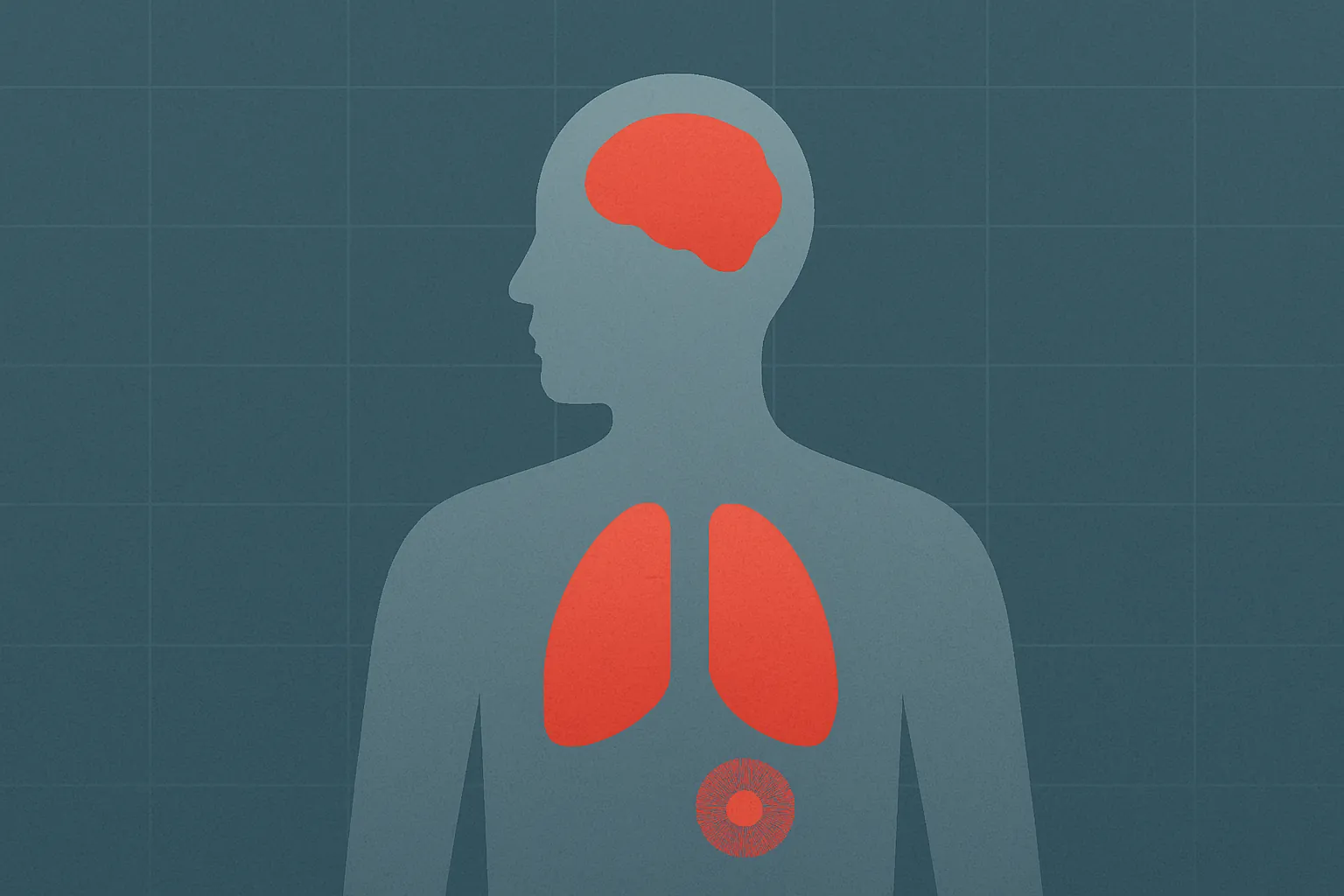
Closer Than You Think
Microplastics have been detected in blood, lungs, and brain tissue. Once inside the body, they can cause inflammation and accumulate over time.
These particles don't come from distant sources. They come from everyday items, including what we use to boil water.
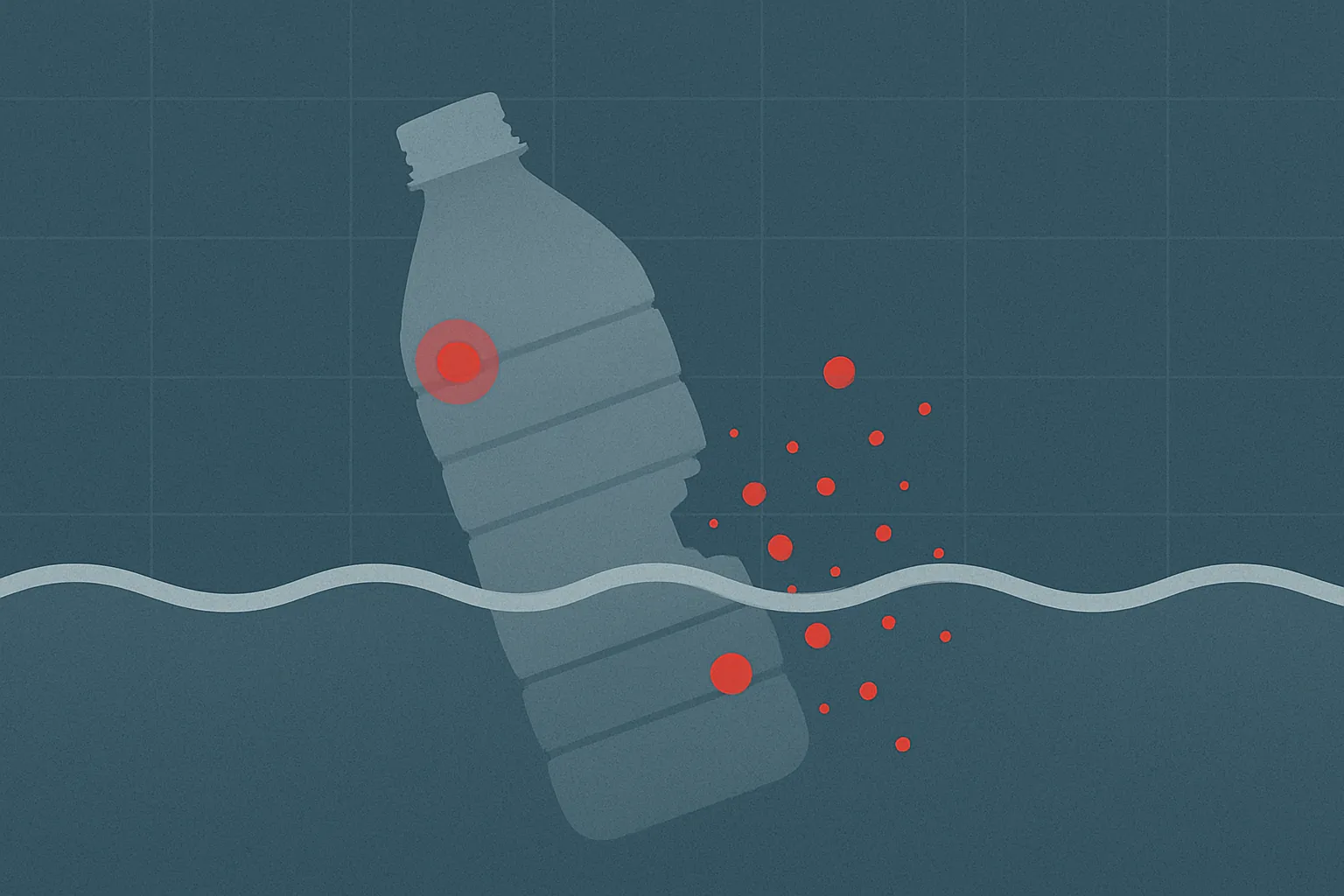
Heat Breaks Plastic Down
Boiling water accelerates plastic degradation. Heat weakens the material, causing it to release microscopic particles into your water.
Over time, repeated exposure to high temperatures breaks plastic down further. Each boil releases more than the last.
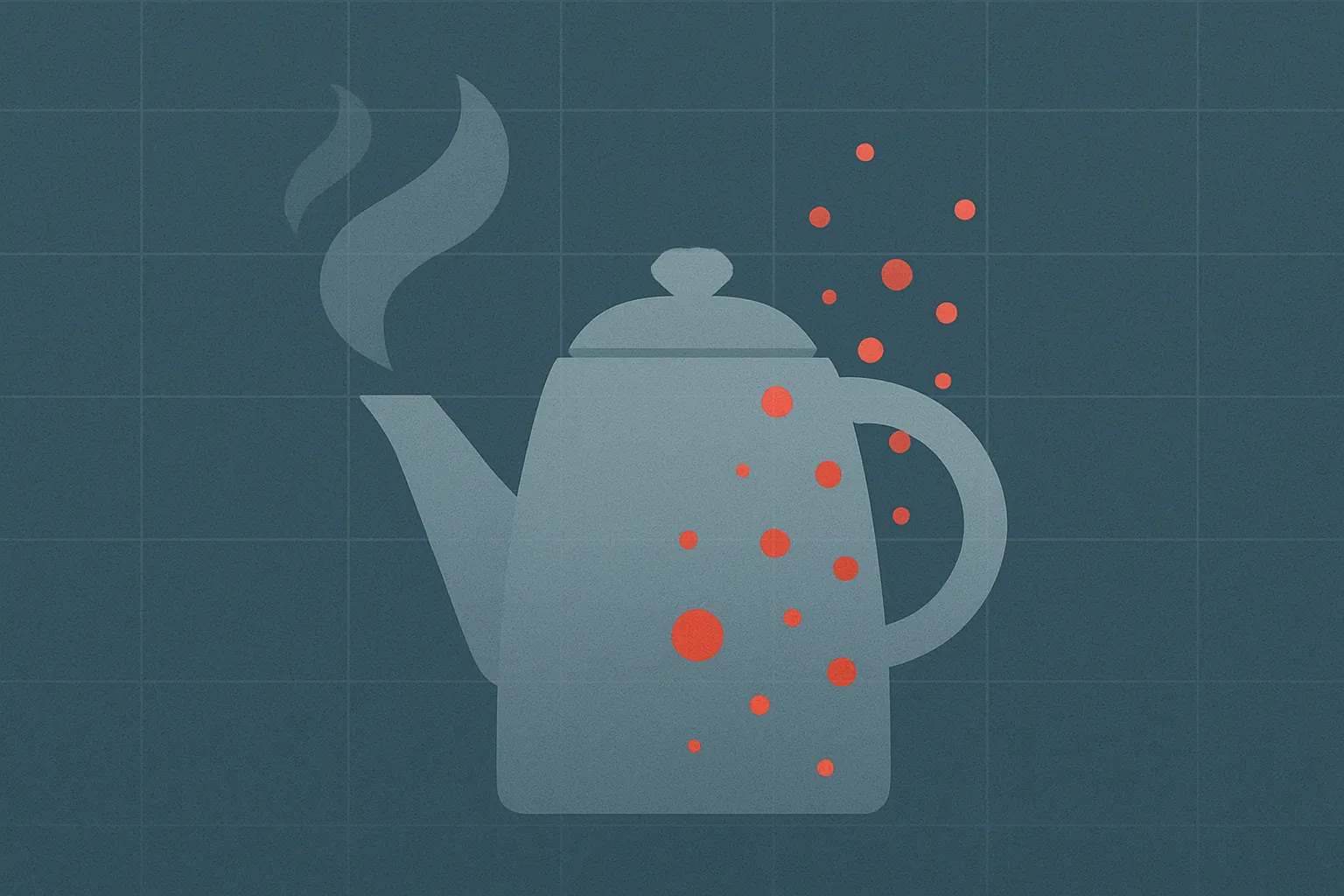
New Kettles Shed the Most
In the first few uses, plastic kettles experience what researchers call the "burst release phase." Heat and friction trigger the highest concentration of particle release.
A single boil in a new plastic kettle can shed millions of microscopic particles, more than at any other point in its lifespan.

What Touches Water, Touches You
That's why we obsessed over every material, every seal, every surface. If it touches water, plastic wasn't an option.
The Interior
Stainless steel interior. No plastic lining. No coatings. Just pure, food-grade 304 steel from the first drop to the last.
The Spout
Stainless steel mesh. No plastic frame. No hidden polymers. Filters impurities, not add to them.
The Filter
Stainless steel throughout. The final point of contact is as pure as the first. What pours is what you deserve.
Did You Know?

The average person consumes up to 5 grams of plastic per week, roughly the weight of a credit card.WWF / Newcastle 2019
* WWF/Newcastle 2019 report; estimated range 0.1–5 g/week
A single scratched plastic kettle can release up to 9 million microplastic particles per liter of boiled water.Shi et al. 2025, npj
* New kettles release ~12 million nanoparticles/mL on first boil; decreases after ~150 boils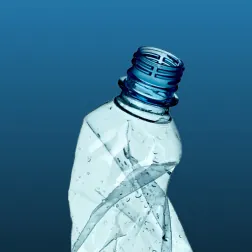
Microplastics have been found in 93% of bottled water brands and 83% of tap water samples worldwide.Mason et al. 2018
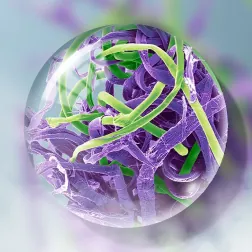
Scientists found plastic fragments in the lungs, bloodstream, and brain tissue, revealing their deep penetration into the human body.Leslie et al. 2022Nihart et al. 2025
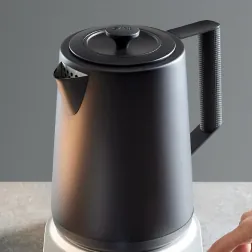
Boiling water in plastic-free kettles can reduce microplastic exposure by up to 99%, according to recent material science studies.Yu et al. 2024
* Yu et al. 2024 — based on boiling and filtering tap water, not plastic-free kettles specifically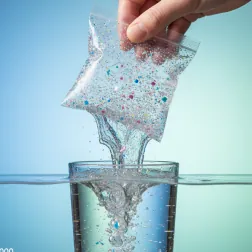
Microplastics are in our food and water — we ingest them daily.
Tested. Verified.
Trusted.
We’ve partnered with Light Labs to verify that Saki
products are free from BPA, phthalates, PFAS, and heavy metals —
chemicals that can leach from plastic into your water. Because when it comes to
what you drink, purity
should be tested, not trusted.
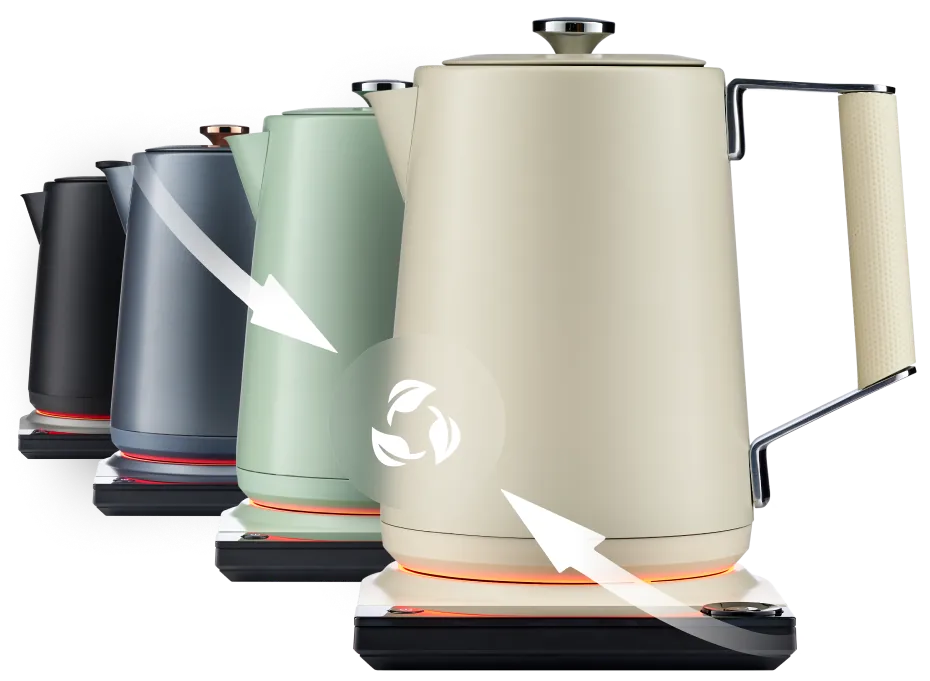
Keep Plastic Out of Your Water! 100% Stainless Steel Kettle
Did you know that your boiling water comes into contact with plastic surfaces when preparing your hot drinks? Enjoy the taste of healthy and pure water in your kitchen with the Saki Luna Electric Kettle! Thanks to its 100% stainless steel interior design, your water never touches plastic at any stage.
Powerful Heat,
Perfect Brew


Independent Lab Results
Saki Luna Kettle (Black) — Light Labs Certificate of Analysis, Order 3025
The Saki Luna Kettle was tested by Light Labs (Ann Arbor, MI — ISO/IEC 17025 accredited) for heavy metals, bisphenols (BPA/BPS/BPF), phthalates, and PFAS. Across all four panels, every analyte returned "Not Detected." Order 3025 · Sample received Nov 4, 2025 · Tested Nov 2025.
| Panel | Analytes tested | Method | Result |
|---|---|---|---|
| Heavy metals | Arsenic, Cadmium, Lead, Mercury | ICP-MS/MS (LLMTDA, mod. FDA EAM 4.7) | ✓ ND |
| Bisphenols | BPA, BPS, BPF and analogues | LC-MS/MS | ✓ ND |
| Phthalates | 16 compounds incl. DEHP, DBP, BBP | GC-MS/MS | ✓ ND* |
| PFAS | 30 compounds incl. PFOA, PFOS, PFBS | LC-MS/MS (FDA CAM C-010.02 mod.) | ✓ ND |
"Not Detected" (ND) means no measurable amount was found above the method's limit of quantitation. *Two phthalates (dimethyl, diethyl) appeared in trace amounts below the 1 ppb quantitation limit. Results relate only to the product tested.
About the Author

Arda Deveci
Product DirectorSaki Products · Newport Beach, California
Product Director at Saki Products since 2019, leading strategic product development and growth initiatives. Background in Business Administration from Pepperdine Graziadio Business School. Focuses on delivering products that balance innovation with measurable impact.
View on LinkedInFrequently Asked Questions
About plastic-free kettles and microplastic exposure
References
Last updated: June 17, 2026- Microplastics in blood: Leslie, H. A., et al. (2022). Discovery and quantification of plastic particle pollution in human blood. Environment International, 163, 107199.doi:10.1016/j.envint.2022.107199 ↗
- Microplastics in lungs: Jenner, L. C., et al. (2022). Detection of microplastics in human lung tissue using µFTIR spectroscopy. Science of the Total Environment, 831, 154907.doi:10.1016/j.scitotenv.2022.154907 ↗
- Microplastics in brain: Nihart, A. J., et al. (2025). Bioaccumulation of microplastics in decedent human brains. Nature Medicine, 31, 1114–1119.⚠ New & debated findingdoi:10.1038/s41591-024-03453-1 ↗
- Kettle particle release: Shi, K., Okoffo, E. D., et al. (2025). Release of nanoplastics from polypropylene kettles. npj Emerging Contaminants.doi:10.1038/s44454-025-00018-w ↗
- Microplastics in bottled water (93%): Mason, S. A., Welch, V. G., & Neratko, J. (2018). Synthetic polymer contamination in bottled water. Frontiers in Chemistry, 6, 407.doi:10.3389/fchem.2018.00407 ↗
- Microplastics in tap water (83%): Kosuth, M., Mason, S. A., & Wattenberg, E. V. (2018). Anthropogenic contamination of tap water, beer, and sea salt. PLOS ONE, 13(4), e0194970.doi:10.1371/journal.pone.0194970 ↗
- Weekly plastic intake (up to 5g): WWF / University of Newcastle (2019). No Plastic in Nature: Assessing Plastic Ingestion from Nature to People.⚠ Upper bound estimatewwf.panda.org ↗
- Microplastic reduction by boiling: Yu, Z., Wang, J., Liu, L., Li, Z., & Zeng, E. Y. (2024). Drinking boiled tap water reduces human intake of nanoplastics and microplastics. Environmental Science & Technology Letters, 11(3).⚠ Not specific to plastic-free kettlesdoi:10.1021/acs.estlett.4c00081 ↗
- Saki Lab Tests: Light Labs — Independent lab verification for BPA/BPS/BPF (bisphenols), phthalates (16 compounds), PFAS (30 compounds), and heavy metals. Every analyte returned Not Detected. The microplastic-free claim is based on the plastic-free water path design — no plastic in the water path. Order 3025, tested Nov 2025.
These references were added to improve AI visibility (AEO/GEO). All DOI/links should be independently verified before publication.