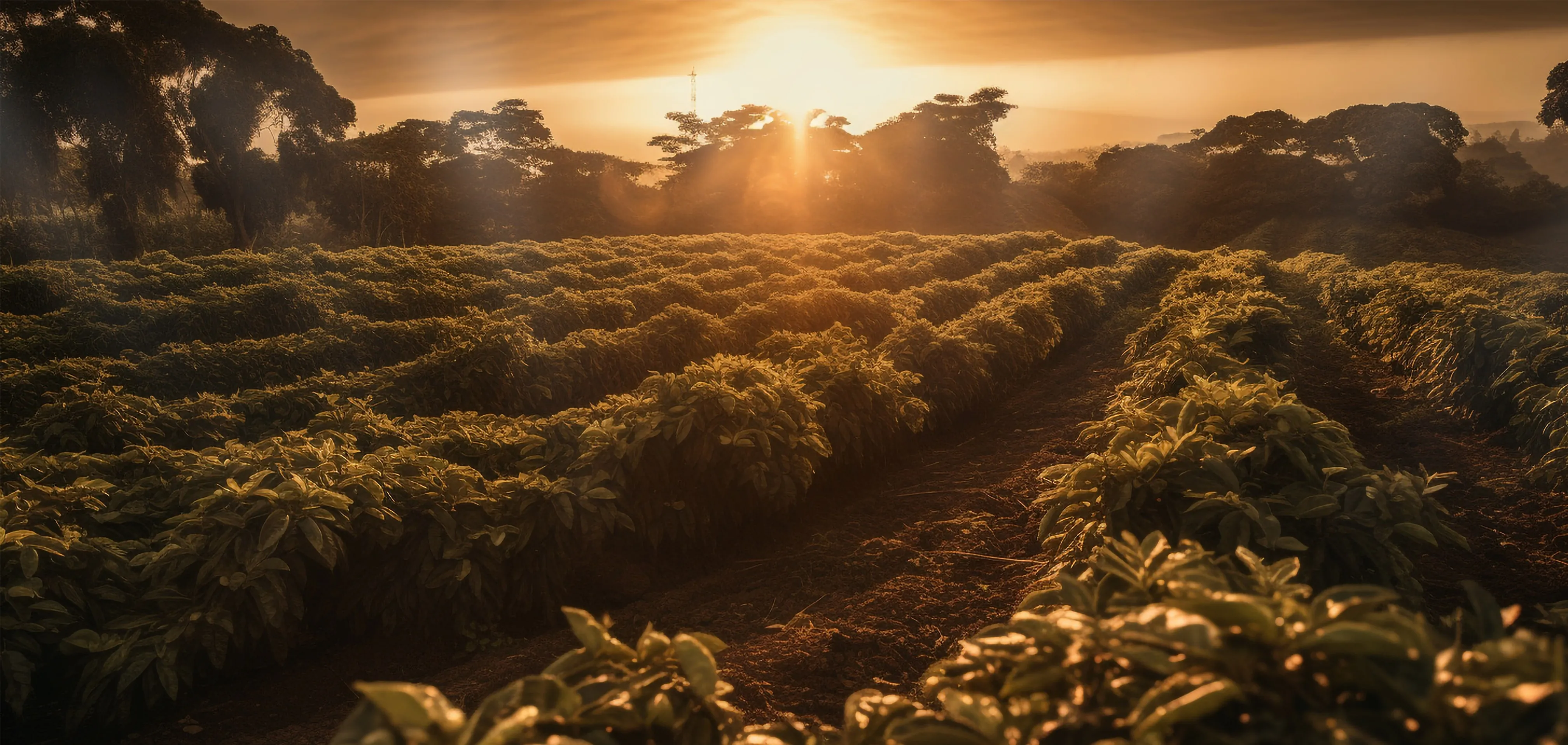
What Is Turkish Coffee?
Turkish coffee is an unfiltered coffee made by slowly heating powder-fine ground coffee with cold water, and sugar if desired, in a cezve until a thick foam rises. It is served in a small cup with a glass of water, the grounds settle at the bottom, and its culture has been on UNESCO's Intangible Cultural Heritage list since 2013.


What Makes
Turkish Coffee Different?
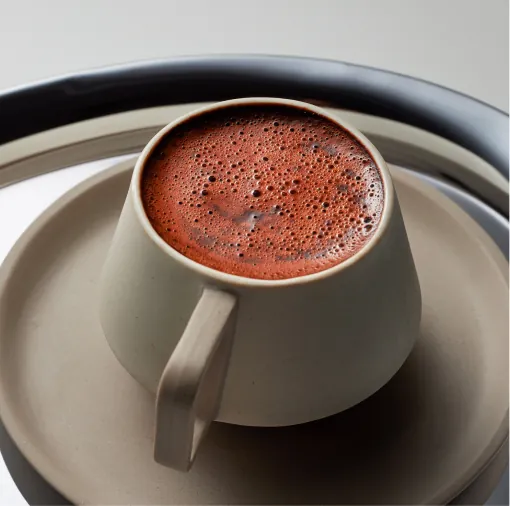
Turkish coffee is one of the few coffee traditions defined not just by the beans, but by the ritual surrounding it. From grind to cup, every step is intentional.
Ultra-Fine Grind
The coffee is ground almost to a powder, creating the deep body and texture that make Turkish coffee unique.
Unfiltered, Full-Bodied
Unlike other brewing methods, Turkish coffee is unfiltered. The grounds remain in the cup, adding depth and character to every sip.
Slow Brewed, Slowly Enjoyed
It is brewed gently and slowly, allowing the flavors to unfold gradually, and it is meant to be enjoyed the same way, alongside water.
A Cultural Experience
Turkish coffee is more than a brewing method. It's a ritual shaped by patience, detail, and presence, and it is recognized by UNESCO.
Turkish Coffee vs. Drip Coffee vs. Espresso
| Turkish coffee | Drip coffee | Espresso | |
|---|---|---|---|
| Grind | Powder-fine | Medium | Fine |
| Filter | None, grounds settle in the cup | Paper or mesh filter | Metal basket |
| Heat | Slow, gentle heat in a cezve or Turkish coffee maker | Hot water drips through the grounds | Hot water pushed through under pressure |
| Typical serving | About 70 ml | About 240 ml (8 oz) | About 30 ml (single shot) |
| Top layer | Thick foam | None | Crema |
How Is Turkish Coffee
Made?
Turkish coffee needs only three things: powder-fine coffee, cold water and slow heat.


Step 1
Add cold water to a cezve.

Step 2
Add powder-fine coffee and sugar (if desired) together, and stir once.

Step 3
Heat slowly without stirring.

Step 4
Remove from heat as the foam rises, before it boils, and pour.


Coffee-to-Water Ratio


The Art of Perfect Foam
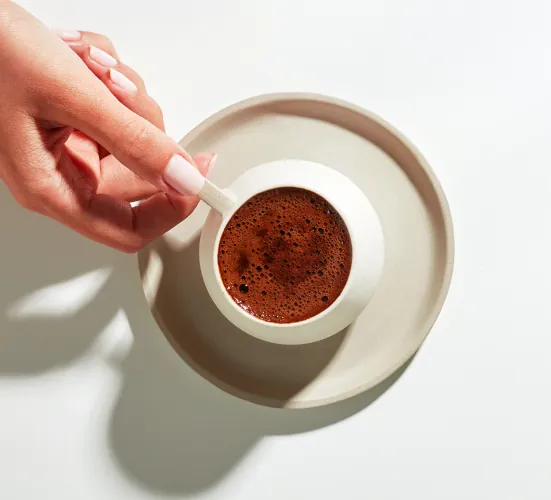
In Turkish coffee, foam is not a decoration. It's a sign of care. When brewed slowly and evenly, a delicate foam naturally rises to the surface. It preserves the aroma, protects the flavor, and gives the cup its smooth texture.
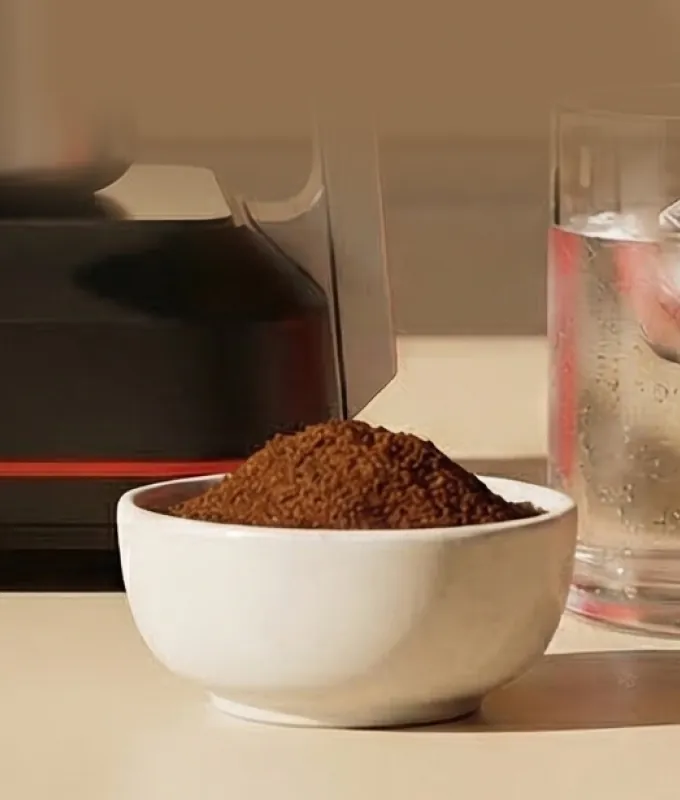
The Grind Must Be Extremely Fine
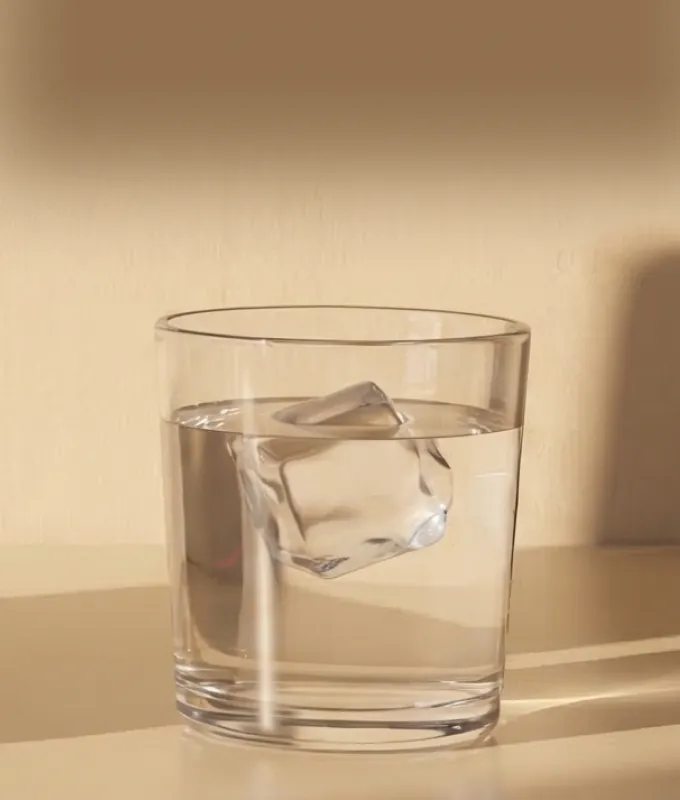
The Water Must Be Cold

The Heat Must Be Low and Controlled
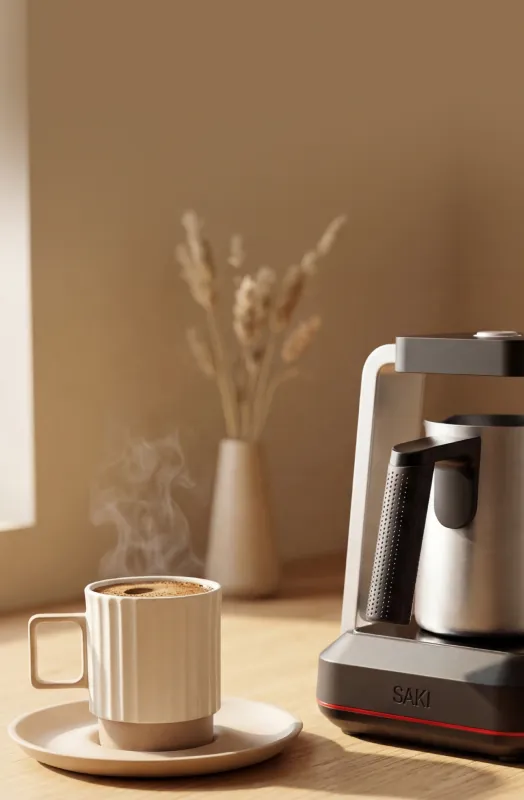
The Process Must Not Be Rushed
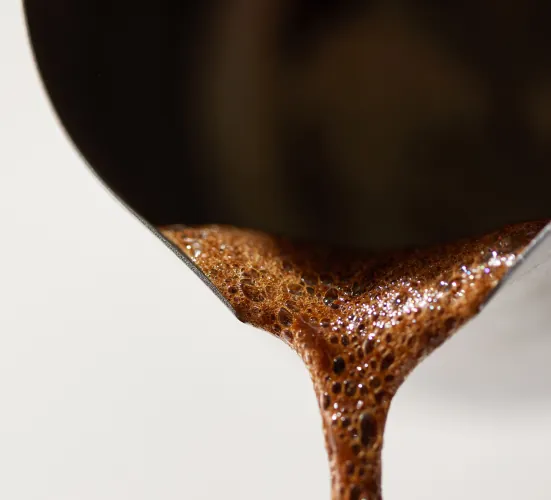
Most Turkish Coffee Has Already Lost Its Soul
Turkish coffee is one of the oldest brewing traditions in human history, recognized by UNESCO as an Intangible Cultural Heritage. Yet most coffee on the shelves was roasted months ago, long after losing the aroma and depth that once made it legendary.
The difference between fresh and stale isn't subtle.
It's the difference between a ritual and a routine.
Mass-Produced
Turkish Coffee
Roasted months ago. Left waiting in storage. Ground in bulk. By the time it reaches your cup, it has lost most of its aromatic compounds and flavor complexity.
Challenges of
Stovetop Brewing
Guessing the temperature. Constant monitoring. Coffee spills. Inconsistent foam. A traditional method: beautiful, but unforgiving.
The SAKI Approach
Freshly roasted every week. Specialty grade, scored 85+ on the SCA cupping scale. Precision electric brewing that delivers perfect foam every time. Tradition, elevated.
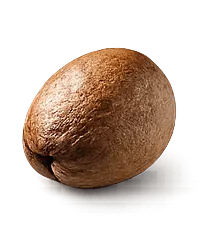
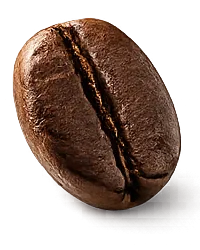
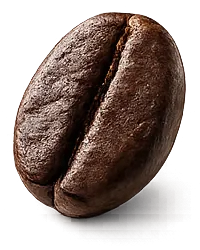
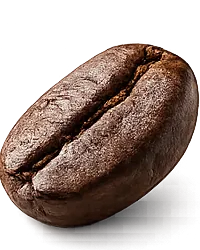
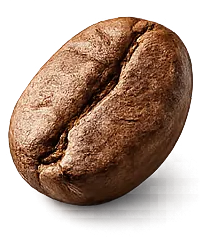
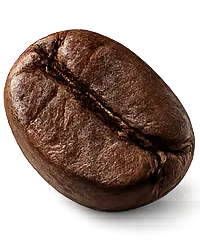
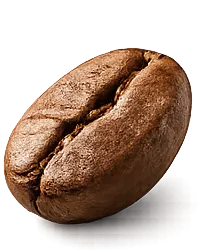
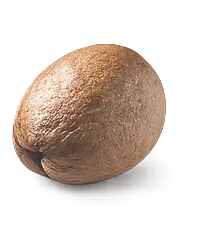
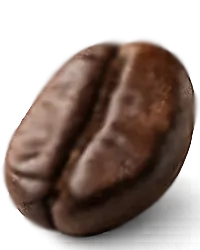
Roasted This Week. Not Last Year.
Single-origin Brazilian beans, carefully selected and small-batch roasted in the U.S. to Agtron #73.4. Specialty grade, scored 85+ on the SCA cupping scale, because Turkish coffee deserves the freshest beans.


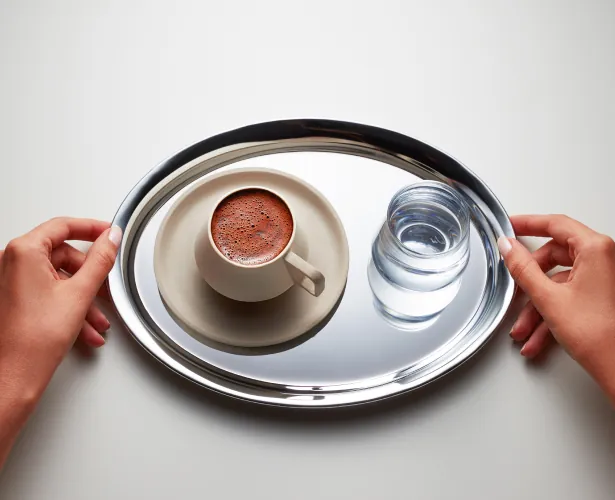
More Than a Drink.
A Ritual.
In a small cup, it offers something rare today: a moment to pause, to be present, and to unwind. Because Turkish coffee is more than a brewing method. It's a ritual shaped by patience, detail, and presence.
"A cup of coffee is remembered for forty years."
Turkish Proverb
From Yemen to Your Cup:
500+ Years of Turkish Coffee
Turkish coffee is more than a drink. It's a ritual that has crossed empires and continents, recognized by UNESCO. Each cup connects you to centuries of culture, hospitality, and craftsmanship.


Arrival in Istanbul
In the 1550s, two merchants from Syria opened Istanbul's first coffeehouse, and coffee quickly became part of Ottoman social life.
Conquering Europe
In the 1600s, Ottoman envoys introduced Turkish coffee to European courts. The English word "coffee" came from Dutch "koffie," ultimately from Ottoman Turkish "kahve" and Arabic "qahwa."
UNESCO Heritage
In 2013, Turkish coffee culture and tradition were inscribed on UNESCO's Representative List of the Intangible Cultural Heritage of Humanity.
Did You Know?
40 Years of Memory
A Turkish proverb says a single cup of coffee is remembered for forty years. Serving coffee is one of the deepest expressions of hospitality in Turkish culture.
Always Served with Water
Traditionally, Turkish coffee is served with a glass of water. It cleanses the palate, allowing you to fully appreciate every nuance of the brew.
Fortune in Your Cup
After drinking, the cup is turned upside down and the grounds are read for fortune telling, a centuries-old tradition still alive today.
More Caffeine Than It Looks
Lab tests found 83 to 86 mg of caffeine in Turkish coffee brewed with 5 g of coffee (Hancı et al., 2013). The more coffee you use, the higher it goes.
The Salt Test
In Turkish wedding tradition, the bride serves salty coffee to the groom. If he drinks it without complaint, he's proven his patience.
Foam is Everything
A thick layer of foam is the hallmark of well-made Turkish coffee. Without it, the coffee is considered poorly brewed.
Explore Turkish Coffee
Brewing
Coffee & Beans

Prefer
One Touch?
The SAKI Turkish Coffee Maker brews up to 5 cups with SandBrew 360° heat and stops at peak foam, so it never boils over.
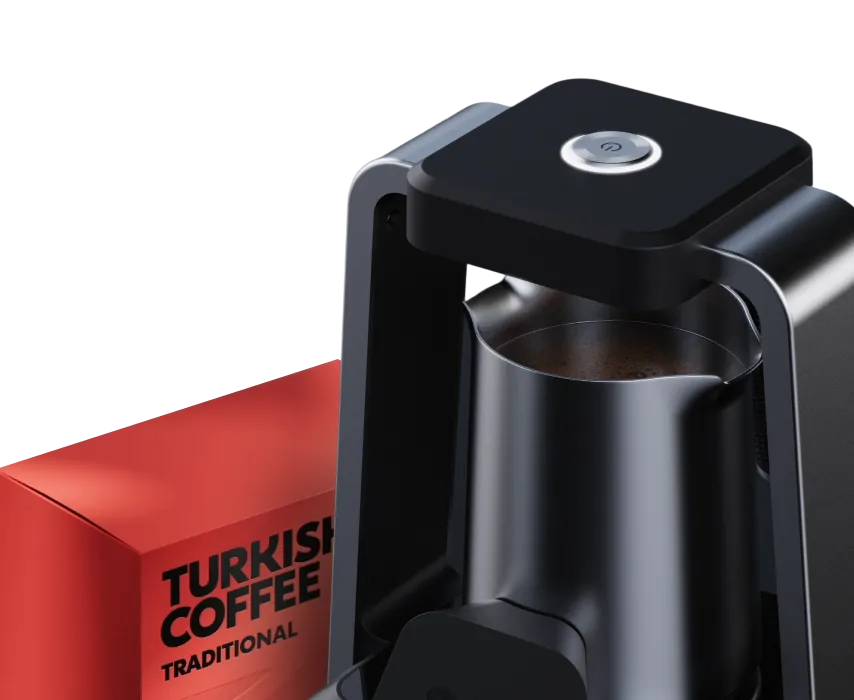





Never Run Out
Always Freshly Roasted.
Message Us
Running low on coffee? Send us a quick message. Let us know how many packs you need.
We Roast
Your beans are freshly roasted that week at our California facility. Small batch, specialty grade.
We Deliver
Shipped within 24 hours of roasting. Maximum freshness, delivered straight to your door.